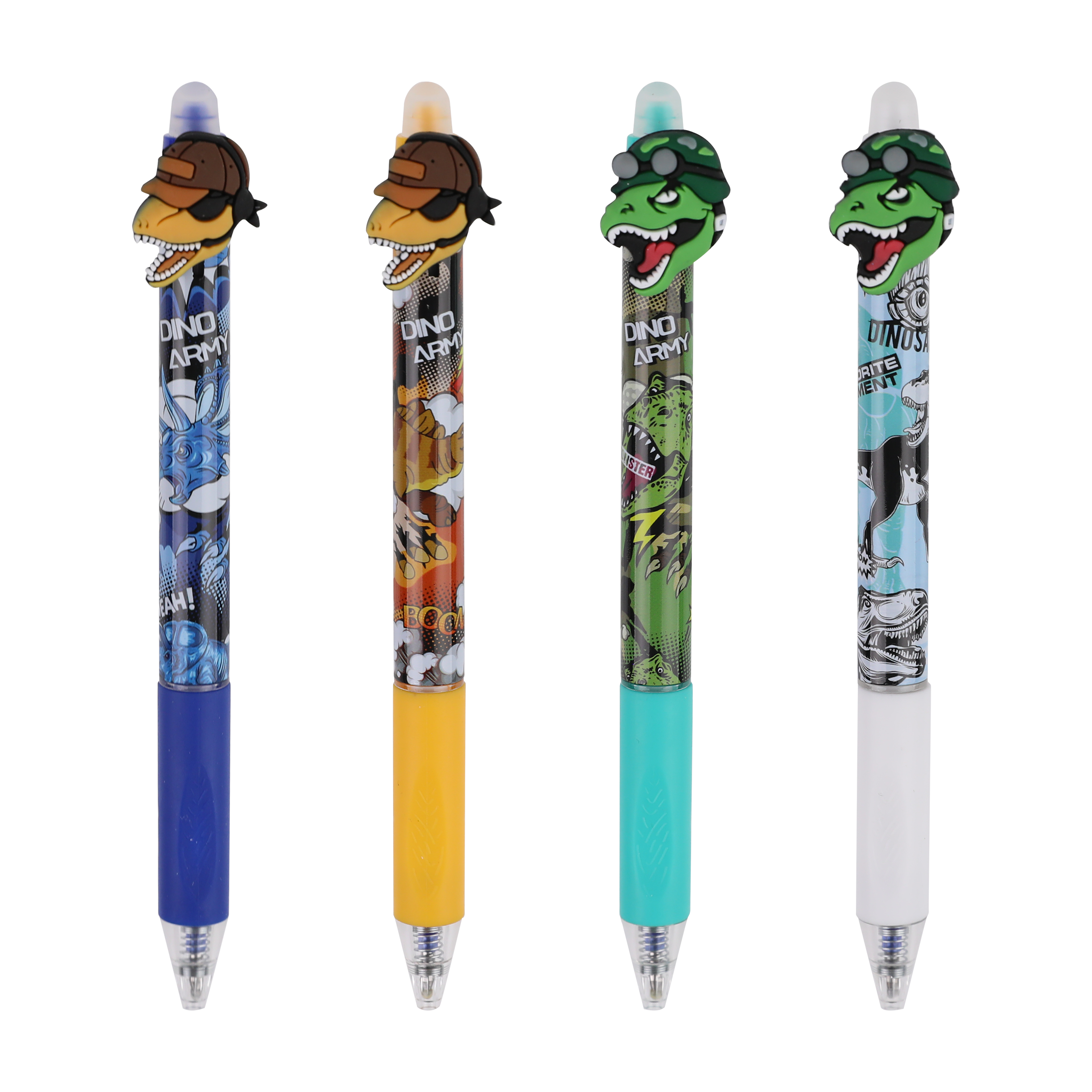
A erasable pen is a special writing tool whose ink has erasable properties and is commonly used in writing, painting, and other scenes. Due to its convenient modification feature, erasable pens are widely popular among students, designers, and other groups. However, many people have doubts about whether erasable pen ink is harmful to the skin. This article will provide a detailed analysis of the composition of erasable pen ink, its contact with the skin, potential risks, and safety usage recommendations.
1、 Composition of erasable pen ink
The core characteristic of erasable pen ink is its erasability, which stems from its unique chemical composition. Unlike traditional ink, erasable pen ink typically consists of the following main components:
1. Pigments or dyes: used to provide color, usually water-soluble or oil soluble.
2. Resin or polymer: Form a thin film of ink on paper, which facilitates erasing by friction or heating after writing.
3. Solvent: Used to dissolve pigments and resins to enable smooth writing.
4. Special additives: such as matting agents, thickeners, etc., used to adjust the performance and stability of ink.
The erasability of erasable pen ink mainly depends on the characteristics of the resin or polymer. When written on paper, ink forms a thin film that can be broken by friction or heating (such as an eraser or specialized eraser pen) to achieve the erasing effect.
2、 The contact method between erasable pen ink and skin
In daily life, there are several ways in which erasable pen ink comes into contact with the skin:
1. Direct contact: When using a erasable pen, ink may directly adhere to the skin due to excessive writing pressure or ink leakage from the pen tip.
2. Indirect contact: When the written paper is touched, ink may transfer to the skin.
3. Ingestion or inhalation: Although not common, children may accidentally consume erasable pen ink or inhale ink particles during the wiping process.
3、 Potential risks of erasable pen ink to the skin
1. Skin irritation
The chemical components in erasable pen ink may cause irritation to certain sensitive skin, especially to individuals with weaker skin barriers (such as children and skin disease patients). If ink stays on the skin for a long time, it may cause local redness, itching, or mild inflammation.
2. Allergic reactions
Some people may experience allergic reactions to specific components in ink, such as dyes or resins, manifested as rashes, swelling, or more severe allergic symptoms. Although this situation is not common, it needs to be dealt with promptly once it occurs.
3. Chemical penetration
The solvents and additives in erasable pen ink may penetrate into the body through the skin, especially in cases of skin damage or wounds. Although the components of erasable pen ink are generally considered low toxicity, long-term or extensive exposure may still have potential health effects.
4. Risk of ingestion or inhalation
For children, ingesting erasable pen ink or inhaling particles generated during the wiping process may pose a greater risk. The chemical components in ink may cause irritation to the digestive or respiratory system, and even trigger toxic reactions.
4、 Suggestions for safe use
To reduce the potential harm of erasable pen ink to the skin, the following measures can be taken:
1. Avoid direct contact
When using a erasable pen, try to maintain a distance between the pen tip and the skin to avoid direct ink contact with the skin. If accidentally touched with ink, it should be cleaned immediately with water and soap.
2. Choose a reputable brand
When purchasing erasable pens, it is recommended to choose reputable brands and products that have been certified for safety. Legitimate brands usually conduct strict testing on the composition of ink to ensure its safety.
3. Pay attention to children's use
Parents should strengthen supervision when children use erasable pens to avoid accidental ingestion or inhalation of ink. At the same time, educate children to use erasable pens correctly and avoid aiming the pen tip at the skin or eyes.
4. Clean in a timely manner
If ink gets on the skin, it should be washed with water and soap in a timely manner to avoid prolonged retention. For people with sensitive skin, mild cleaning products can be used.
5. Store properly
Erasable pens should be stored in a place that children cannot easily reach to avoid accidental ingestion or misuse. Meanwhile, avoid exposing erasable pens to high temperatures or direct sunlight to prevent ink from deteriorating or leaking.
5、 Summary
Although the ingredients of erasable pen ink are designed to ensure their safety and erasability, they may still cause irritation or allergic reactions to the skin in certain situations. By understanding the composition, potential risks, and safety recommendations of erasable pen ink, its harm to the skin can be effectively reduced. For children and people with sensitive skin, it is even more important to strengthen protection and supervision to ensure safe use. If there are serious skin reactions or health problems, seek medical attention promptly and consult professional advice.
In summary, erasable pen ink poses less harm to the skin under normal use, but it is still important to take precautions and promptly address potential contact issues to ensure health and safety.
The content of the article is sourced from the internet. If you have any questions, please contact me to delete it!
Will erasable ink be harmful to the skin?
May 15, 2025 风景文具旗舰店